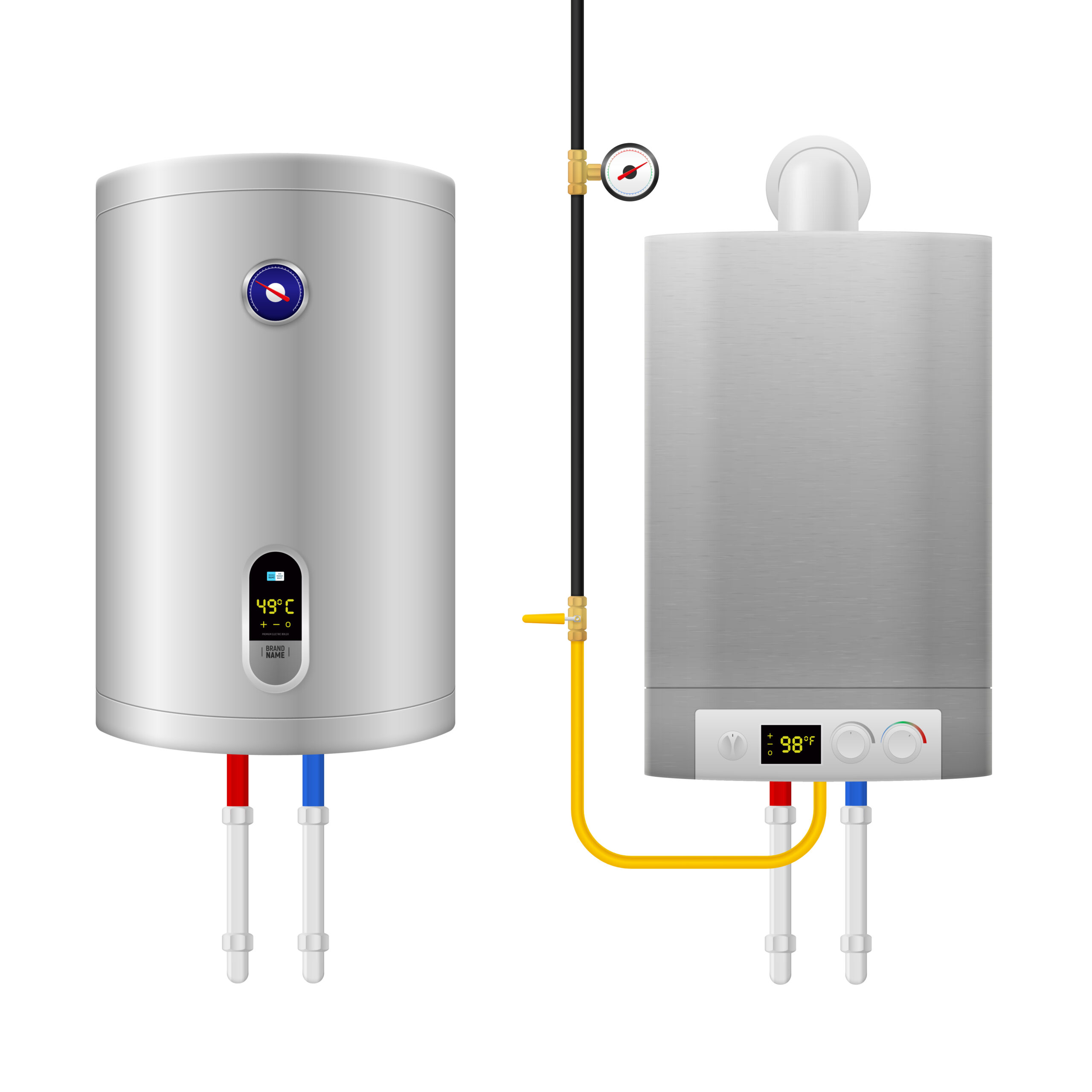
Hot water is a basic necessity that is a part of every household, which supports activities like cooking, cleaning, and bathing. The tankless water heater is a more effective substitute for conventional water heaters, which store hot water in a tank. This technology, sometimes referred to as an on-demand water heater, heats water only when necessary. Homeowners may choose whether a tankless water heater is the best option for their home by learning how it functions and the advantages it provides. Plumbing Point Inc. makes sure that you know the basics of a tankless water heater and can contact us for any further service.
How a Tankless Water Heater Works:
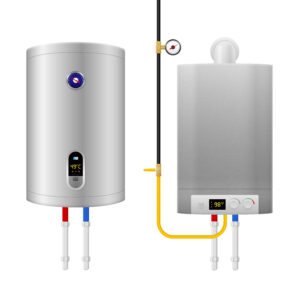
Instead of keeping warm water in a big, sizable tank, a tankless water heater is a device that warms up the temperature of the water as it passes through the unit. A tankless water heater turns on only when the hot water tap is on, compared to other conventional water heating systems, which keep a steady supply of warm water. This on-demand method offers modern dwellings a more energy-efficient alternative by doing away with standby heat loss. Depending on the model, the tankless water heating systems are powered by propane gas or electricity. They are perfect for households with limited storage due to their compact size.
How a Tankless Water Heater Works:
When the hot water faucet is turned on, cold water passes through a tankless unit. As the water moves through the heat exchanger, it gets heated on the spot instead of getting stored in tanks; it goes straight to the faucet or appliance. As long as the demand does not beyond the unit’s capacity, there is no chance of running out of hot water because the system only heats water when necessary. The device turns off when the faucet is turned off, saving energy for future usage.
Energy Efficiency & Cost Savings:
One of the most significant advantages of tankless water heaters is energy saving. The increased efficiency of tankless water heaters is their biggest significance. Even when not in use, conventional tank water heaters continuously reheat stored water to maintain temperature. By heating water only when necessary, tankless systems do away with this energy waste. Over time, this efficiency may result in reduced utility costs. Although a tankless water heater usually costs more up front than a conventional unit, many homeowners discover that over time, energy savings and lower running expenses help make up for the initial investment.
Unlimited Hot Water Supply:
The capacity of a tankless water heater to provide a steady supply of warm water is often praised. Homeowners no longer have to run out of hot water while showering or using many appliances at once, which demand hot water. Larger households or homes that consume a lot of hot water can especially benefit from this feature. A tankless system can easily and continuously meet daily demands with the right sizing.
Space-Saving Design and Longevity:
Tankless water heaters are small and take up less space than large storage tank heaters. Flexible installation possibilities, such as utility rooms, garages, or closets, are made possible by their elegant form. Additionally, tankless water heaters typically last longer than conventional ones. Tankless water heaters can last up to 20 years with regular maintenance, whereas tank systems usually last 10 to 15 years. Their longer longevity increases their overall worth and appeal.
Is a Tankless Water Heater Right for Your Home?
Tankless water heaters have numerous benefits, but they are not always the best option. A larger system or several units may be needed in homes with extremely high simultaneous hot water demands. Additionally, installation expenses may be higher, particularly if changes to the gas or electrical systems are required. To choose the right system size and guarantee correct installation for best results, speak with a qualified plumber or water heating specialist.
Conclusion
Without the limitations of a conventional storage tank, a tankless water heater is a creative and effective way to provide hot water as needed. Many homeowners find tankless systems to be an attractive option due to their long-term durability, limitless hot water supply, energy savings, and space efficiency. You may make a confident, knowledgeable choice for your house by being aware of these systems’ benefits and how they operate. For professional advice and skilled tankless water heater installation, contact Plumbing Point Inc. today.
FAQs:
1. What is the lifespan of a tankless water heater?
When properly maintained, tankless water heaters can last up to 20 years.
2. Do water heaters without tanks use less energy?
Since they only heat water when necessary, they are indeed more energy-efficient.
3. Is it possible for a tankless water heater to simultaneously serve several faucets?
Yes, if they are appropriately scaled, though really high demand would call for several units.
4. How much does it cost to install tankless water heaters?
Compared to conventional heaters, the initial installation costs are higher, but they are frequently covered by long-term savings.
5. Do tankless water heaters need to be maintained?
Indeed, routine maintenance and flushing contribute to longevity and efficiency.